

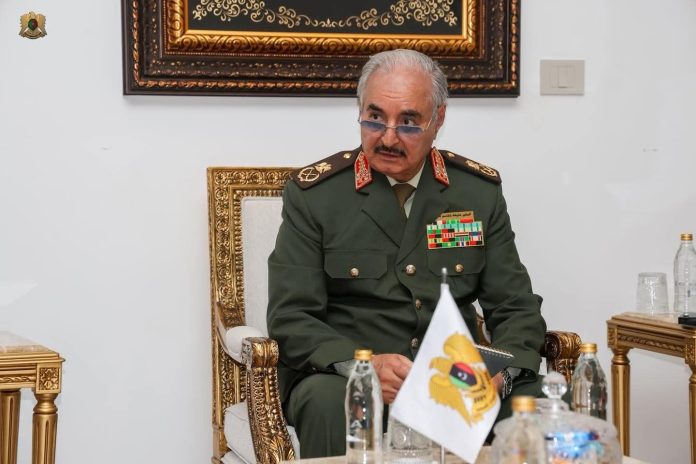
The Commander-in-Chief of the Libyan Armed Forces stresses the protection of citizens as a “red line” and calls for urgent coordination to preserve financial and service stability across the country.
Soldecanarias.net / Adeje
Benghazi became the scene of a high-level meeting at a critical moment for Libya. The Commander-in-Chief of the Libyan Armed Forces, Field Marshal Khalifa Abulqasim Haftar, received a delegation of senior civil, financial, and security officials at the General Command headquarters to address the severe flooding and fuel shortages affecting large parts of the country.
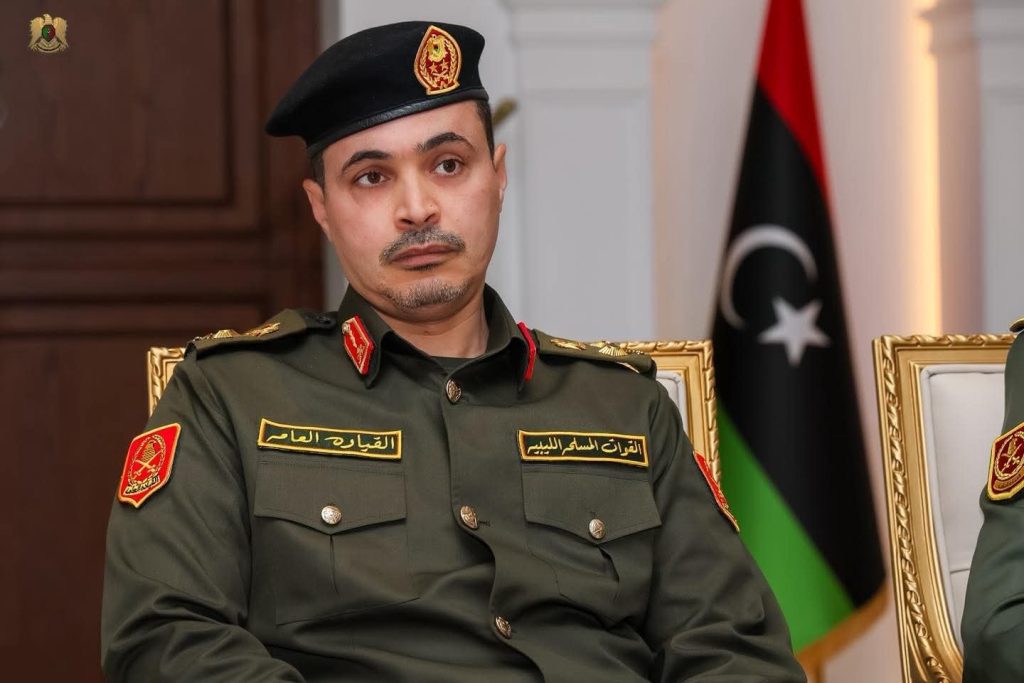
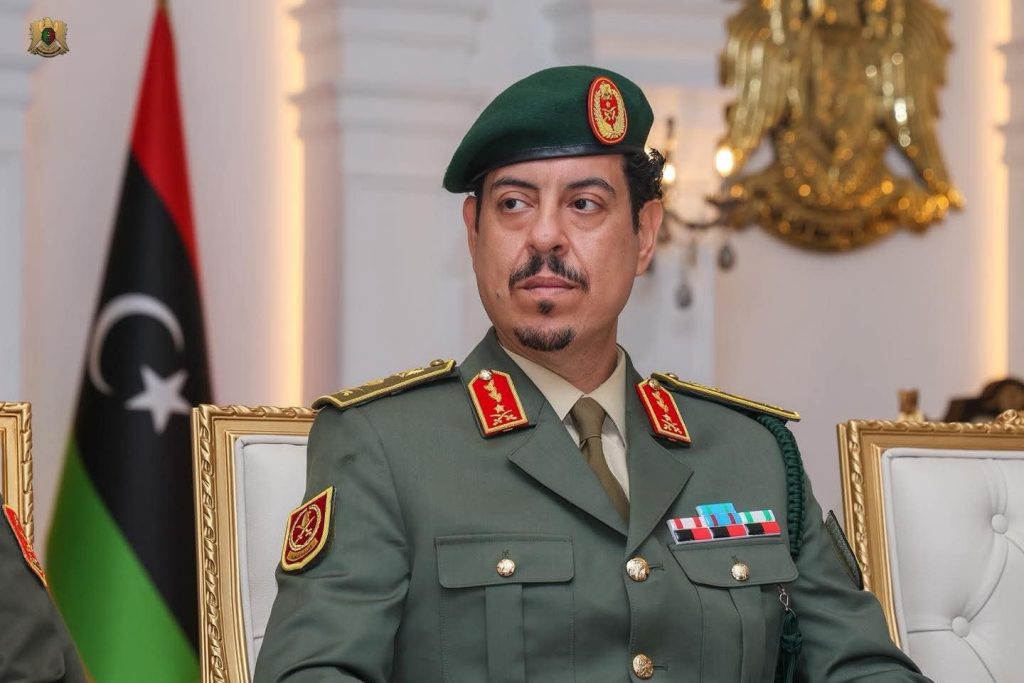
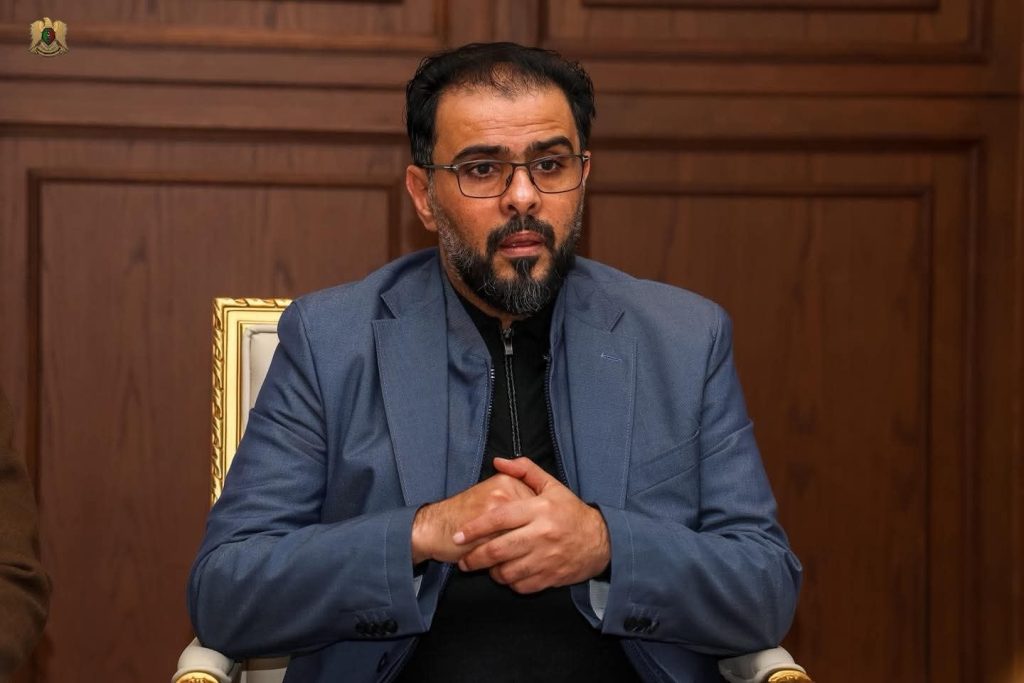
The meeting was attended by the Prime Minister of the Libyan Government, Dr. Assama Hamad; the Head of the Internal Security Service, Assama Al-Darsi; the Deputy Governor of the Central Bank of Libya, Marai Al-Barasi; and the spokesperson of the Ministry of Interior, Major General Faraj Qaim. Discussions focused on analyzing the structural and immediate causes of the current crises, as well as assessing short- and medium-term measures to mitigate their impact on the population.
According to official sources, participants reviewed coordination mechanisms among state institutions with the aim of ensuring financial stability, the continuity of basic services, and the regular supply of fuel. The need for an integrated response combining security, economic management, and humanitarian action was also emphasized, in a context marked by institutional fragility and the cumulative consequences of years of conflict.
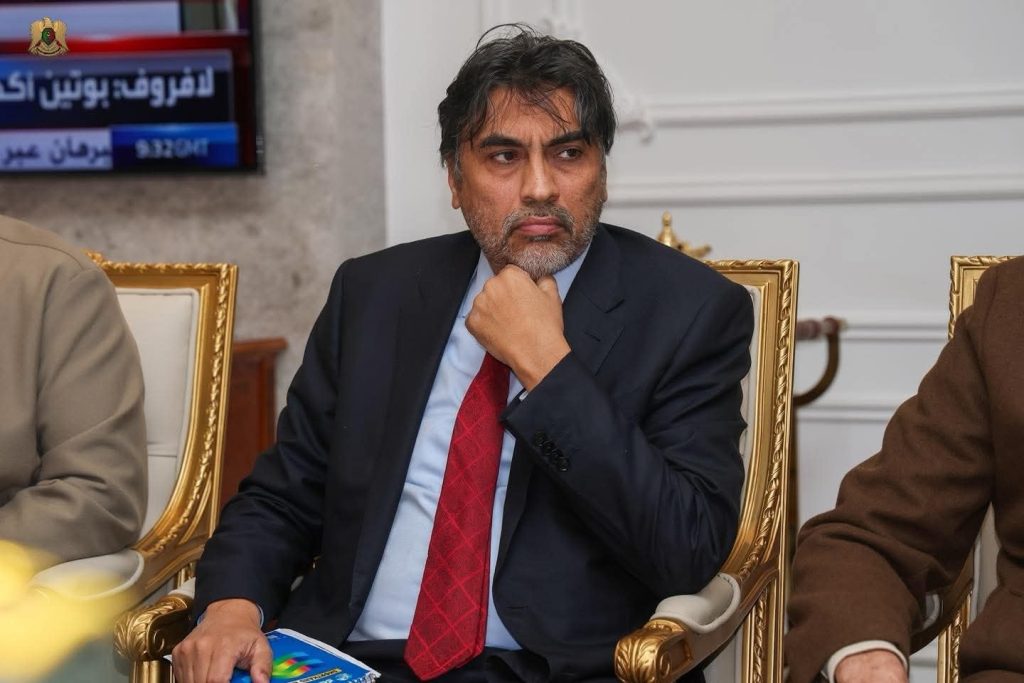
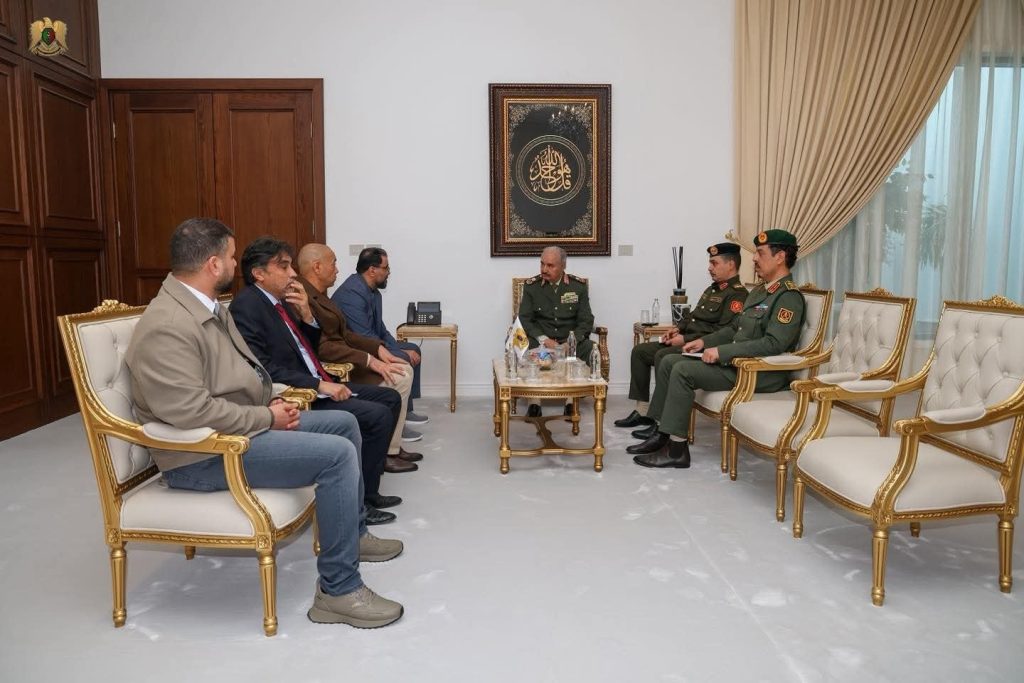
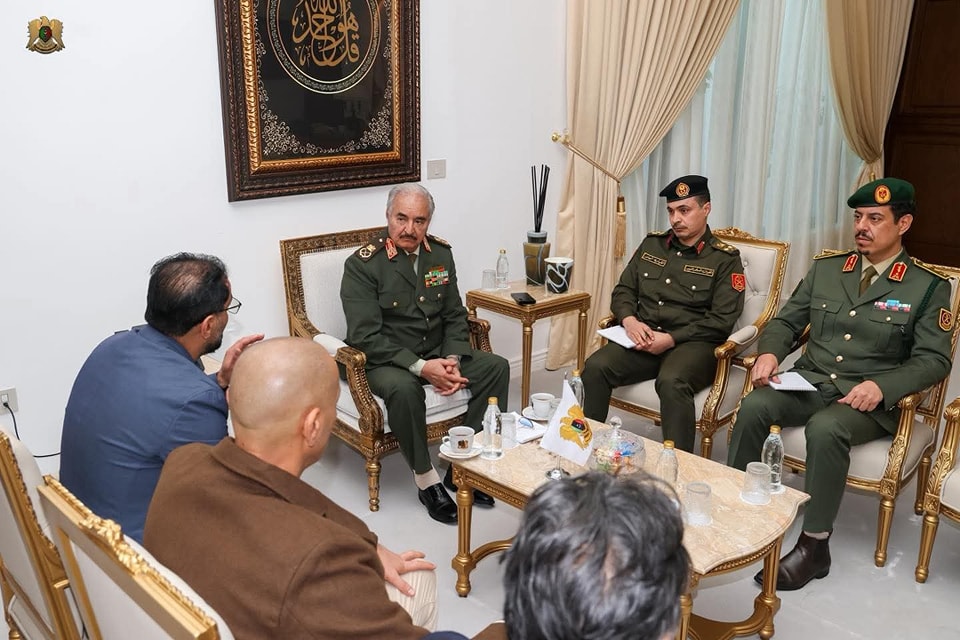
Field Marshal Haftar was unequivocal in stating that “the strength and dignity of the citizen is a red line that cannot be crossed,” a message intended for institutions as well as economic and security actors. He stressed the urgency of identifying the true causes of the liquidity and fuel crises and of implementing immediate solutions to safeguard the interests and well-being of citizens.
The meeting reflects the efforts of authorities in eastern Libya to project an image of control and coordination at a time when the international community is closely monitoring developments. In a country that remains pivotal to stability in North Africa and the Mediterranean, the ability of Libyan institutions to respond effectively to these crises will be crucial not only to alleviating civilian hardship, but also to strengthening domestic and international confidence in the country’s future.